 I’m aware that we’re roughly mid-year between Passovers, but having spotted this amusing typo in a tech article on Apple News the other day I couldn’t rest until I was riffed out. Which did not take long, thankfully, so in a tie for the shortest of these lists ever you’re getting…
My Top Five Conjectures about Unknown Seders
 This post is currently down for maintenance.
… Sonja from Sweden — the latest citizen curator of the official @Sweden Twitter account — who last week twitted out some controversial questions and comments on a certain subject that have spurred me to share a short soliloquy about schmutz.
I can’t use the verb (or noun) “tweet” unless we’re talking about birds. Call your
service Tweeter if you want “tweets” to be “tweeted”. If it’s Twitter, the gerund is either “Twittering” or the backwards formation “twitting” and the messages are Twits. Since Twitter and other social-media platforms that encourage short bursts of prose or graphics are considered “microblogging” that would make the entries “microposts”.
All I know is that I just refuse to say “tweet”.
Where was I? Oh, right... This:

This was sent out under the aegis of the actual country of Sweden. It was not any random little Twit from a random little twit. Sweden, in a grand experiment with vox populi democracy or individualism or whatever, has been handing over the official Twitter feed of the nation to a different Swede every week. Sonja is a young Swedish woman who seems to think that Jews as well as a select number of sneaky non-Jew decoys have multiple penises.
Here’s another homage/parody cover of mine for CAPA-Alpha, done around the
same time as the one I shared the other day.
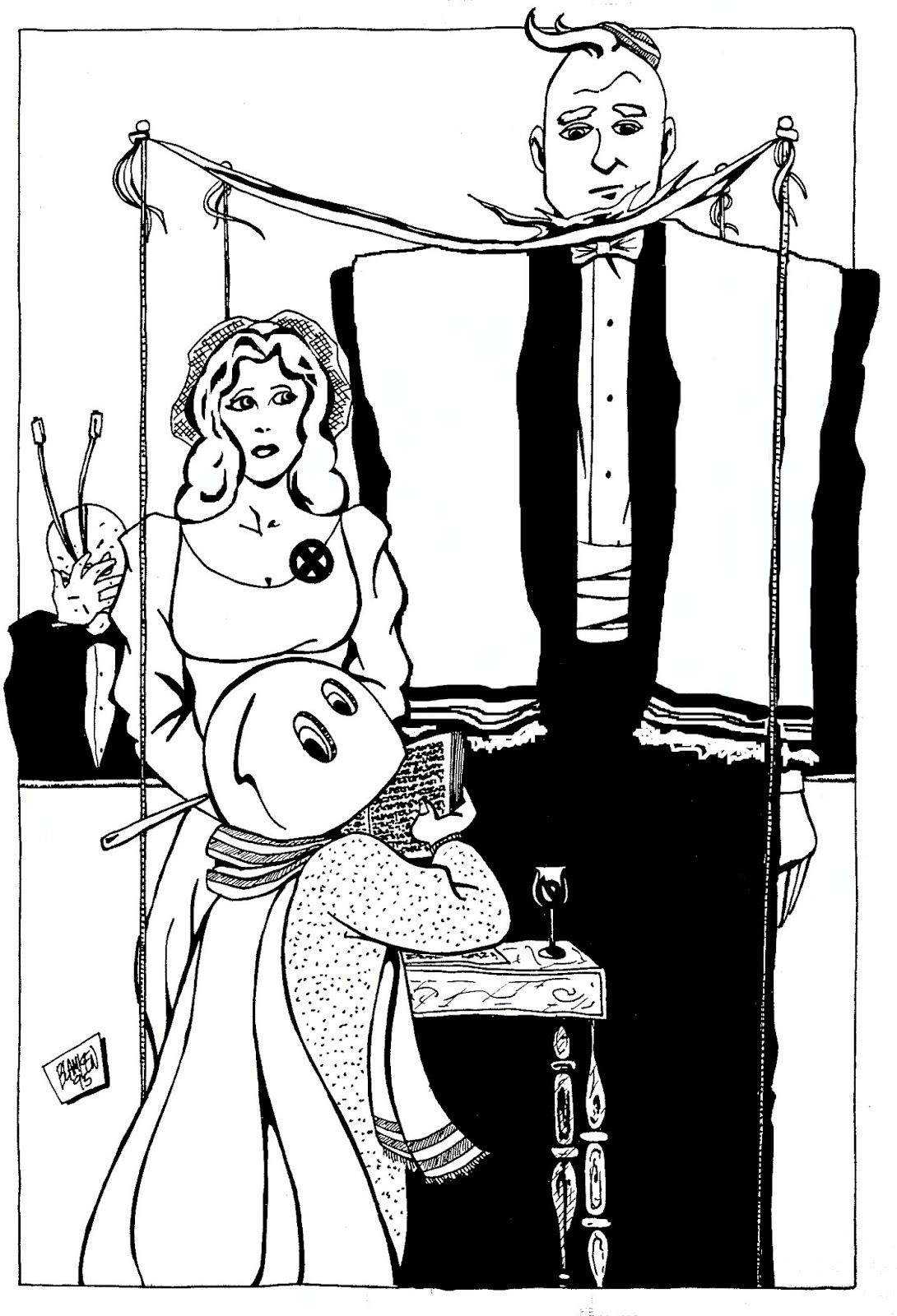
This one’s much less of a straight copy, adding characters and ditching the logo. It
uses as its springboard Marvel Comics’ The Uncanny X-Men #179 — dated Mar. 1984, penciled by John Romita Jr., and inked by Dan Green. I drew it for Richard Rubenstein’s ’zine after we had a discussion about superheroes who were explicitly identified as Jewish.
Here’s a neat video retelling — in 4½ minutes — the story of the Jews’ Exodus from Egypt, performed by the Attraction Black-Light and Shadow Theatre group, forwarded to me by my mother.

We’ve had this little travel-sized, traditional-styled Chanukah menorah for
at least as long as I can remember.

I’m fonder of it with every passing year, not just for the memories but for how its collection of “battle scars” — the bits of leftover wax, never completely scraped off the arms and base or entirely gouged out of the little cups that hold the candles — have accreted over the years to give it extra character.
 This post is currently down for maintenance.
I met Santa Claus last night.
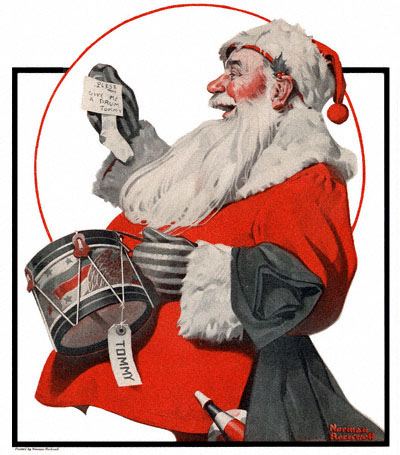 Really, I did; I’ll tell you about it. And the timing was perfect, since the lights have
not been in my favor.
To all who read this — whether observing the day as a holy one, based on cultural tradition, or merely with bemusement — I wish you a sweet year to come full of health and happiness.

You can get the lowdown on Rosh HaShanah at www.jewfaq.org, a.k.a. Judaism 101, via Tracey Rich. I like the site because it’s concise; it’s non-judgmental — written, as the home page says, “from a traditional perspective in conversational language you can understand”; and it’s possessed of a domain name that makes me giggle.
 I’m the child of parents with different religious backgrounds, so I got to celebrate
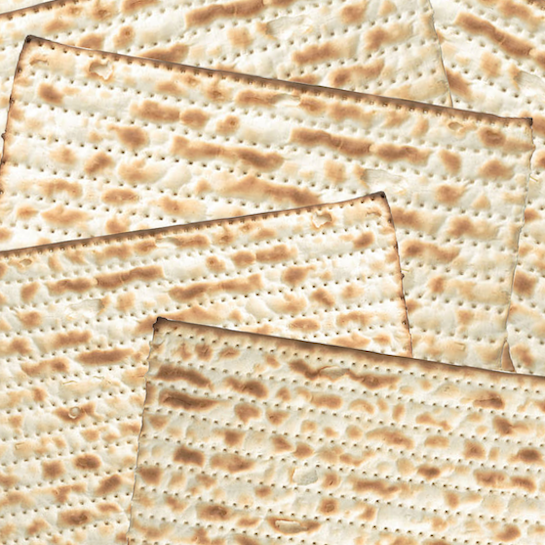
all of the big holidays growing up. While I’ve written here in the past how to me Christmas and Chanukah are one big Festival of Lights, a time of peace largely secular and yet powerfully spiritual, it’s Passover and Easter that have much more in common from both liturgical and historical perspectives. Just about the only connection besides their calendar proximity to me as a kid was searching for the afikoman during Passover and hunting for candy on Easter Sunday, but later on I got hip to the whole “paschal lamb” metaphor and had my mind blown when I discovered that Jesus’s Last Supper was a Passover seder and the original communion wafers were matzah (מַצָּה).
Purim was the other day. You often see it referred to as the Jewish Halloween or
the Jewish Mardi Gras. A festival like Chanukah, rather than a holy day such as Yom Kippur, the Day of Atonement, Purim is indeed a time for people to dress up and be merry.
 Cover to Magilla Gorilla #1 © 1964 Hanna-Barbera Productions.
Pencils, Inks: Pete Alvarado. Colors: Unknown.
The original idea behind the costumes was to emulate characters from the Hebrew
Book of Esther, since it’s from those events that the festival arose, but as with Halloween — where outfits are no longer limited to imitations of spirits and demons — in most communities a wider net is cast. Our synagogue held an annual Purim Carnival for the kids, and one year I made a pretty decent Mork (as in “… from Ork”).


